A Diverse and Expansive Region
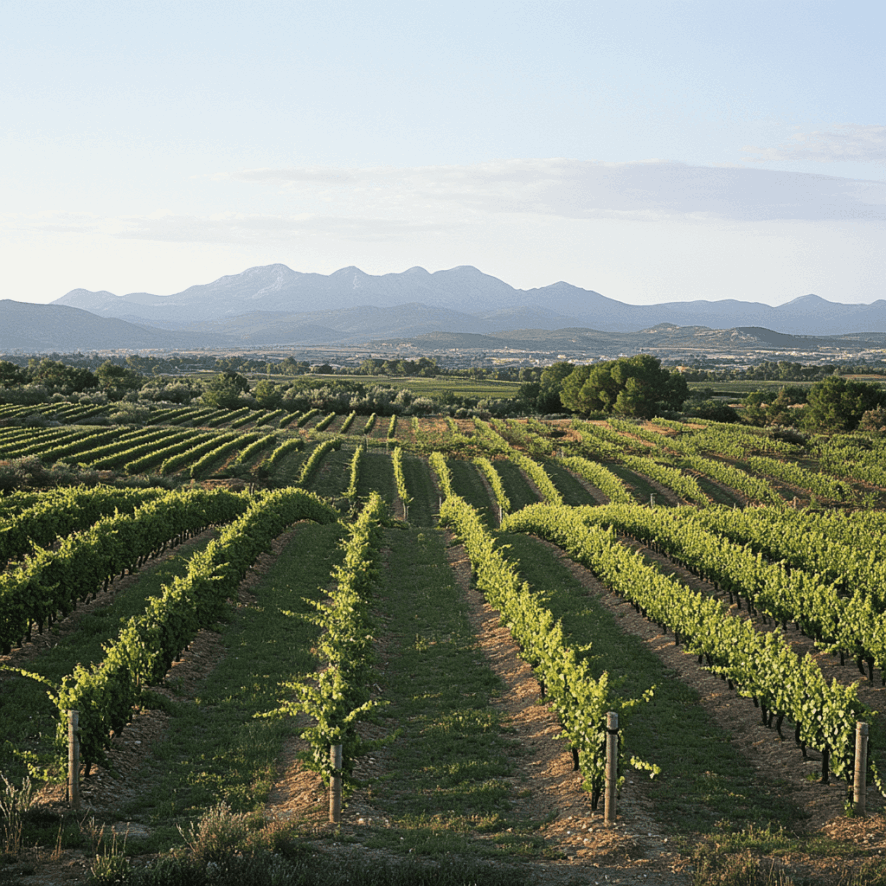
Languedoc-Roussillon spans a vast area, stretching from the Mediterranean coast to the foothills of the Pyrenees, encompassing a wide range of terroirs and climates. The region is home to more than 30 different appellations, making it one of the most varied wine regions in France. From the coastal plains to the rugged mountains, Languedoc-Roussillon offers a rich tapestry of landscapes that influence the style and character of its wines.
The region is divided into two main areas: Languedoc, which lies along the coast, and Roussillon, which is located in the foothills of the Pyrenees, near the Spanish border. Both areas have their own distinct characteristics, but both share a focus on quality and innovation in winemaking.
A History of Mass Production and Recent Changes
For much of the 20th century, Languedoc-Roussillon was known primarily for its mass production of wine, often seen as the source of cheap, bulk wine sold to the rest of France and beyond. The region was particularly famous for its vin de table wines, which were made in large quantities but lacked the refinement of other French wine regions.
However, in recent decades, a shift has occurred, and many growers and producers in Languedoc-Roussillon have embraced a more sustainable and quality-focused approach. With a focus on terroir, smaller-scale production, and unique blends, the region is now producing wines that rival the best in France. Today, Languedoc-Roussillon is home to an increasing number of boutique wineries, organic producers, and experimental winemakers, all working to elevate the region's wine reputation.
The Influence of the Mediterranean Climate
The Mediterranean climate plays a major role in shaping the wines of Languedoc-Roussillon. With its long, hot summers, mild winters, and abundant sunshine, the region offers ideal conditions for growing a wide variety of grapes. The climate allows for long ripening periods, giving the grapes plenty of time to develop complex flavors and aromas. Additionally, the cooling influence of the Pyrenees Mountains and the sea breezes from the Mediterranean provide a balance to the heat, preventing the wines from becoming overly ripe or heavy.
The diverse geography of the region also means that different areas experience slightly different climates and conditions. Coastal areas tend to have milder temperatures, while inland vineyards can experience more extreme fluctuations between day and night, which helps preserve the acidity in the grapes.
Grape Varieties and Wine Styles
Languedoc-Roussillon is known for its wide variety of grape varieties, which range from familiar international grapes to indigenous French and Spanish varieties. The region's winemakers often blend these grapes to create wines that reflect the diversity of the region's terroirs.
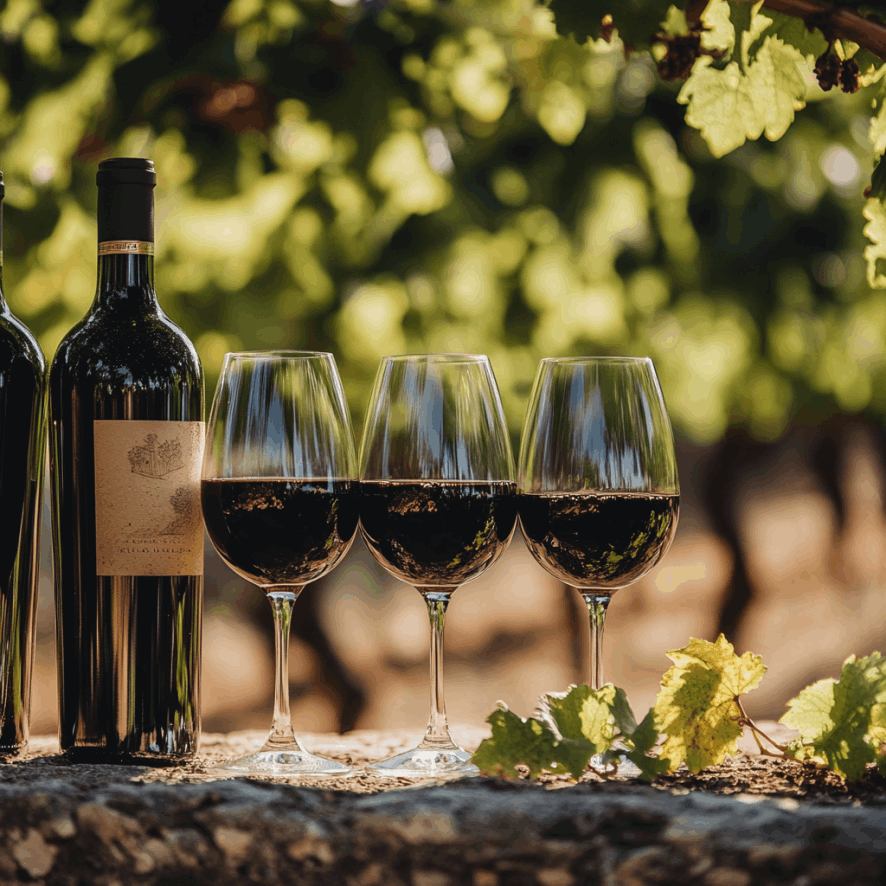
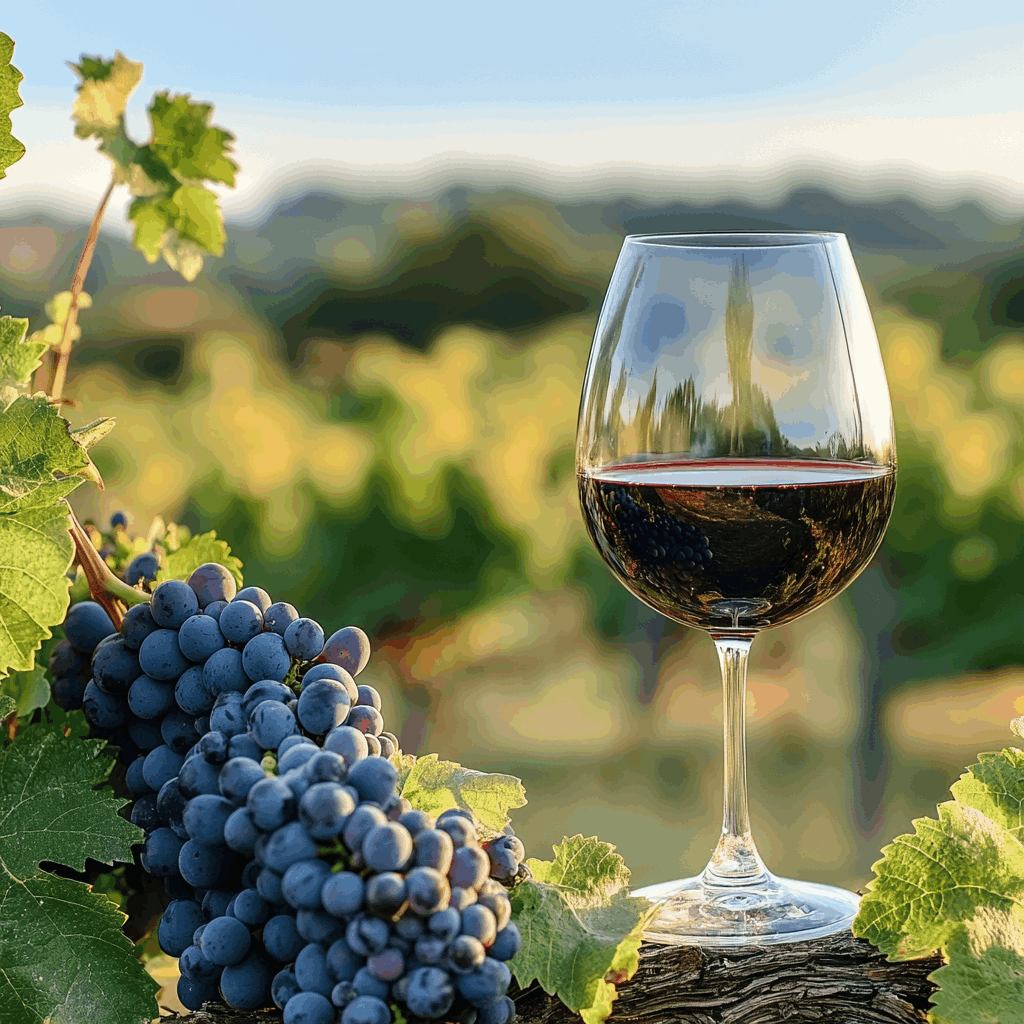
Red Wines: The region is particularly well known for its red wines, which are typically made from a blend of Syrah, Grenache, and Carignan. These wines tend to be rich, full-bodied, and expressive, with flavors of dark fruit, spices, and earthy undertones. In recent years, the region has also seen an increase in the production of single-varietal wines, particularly Syrah and Grenache.
White Wines: While Languedoc-Roussillon is primarily known for its reds, it also produces high-quality white wines. Chardonnay is the most common white grape, but Viognier, Muscadet, and Grenache Blanc are also used to create crisp, aromatic whites with floral and citrus notes. The whites of Languedoc-Roussillon are known for their freshness and balance, making them a great match for seafood and Mediterranean cuisine.
Rosé Wines: Languedoc-Roussillon is a significant producer of rosé wines, which benefit from the region's hot, dry climate. These wines are typically light, fresh, and fruity, with flavors of strawberry, raspberry, and citrus. Rosé wines from this region are ideal for sipping on a warm summer day or pairing with light Mediterranean dishes.
Sweet Wines: The Roussillon area is particularly known for its production of sweet wines, including Muscat and Maury. These wines are rich and concentrated, with flavors of honey, apricot, and dried fruit, often balanced by vibrant acidity.
Sustainability and Innovation
One of the most notable trends in Languedoc-Roussillon is the growing emphasis on sustainability and organic viticulture. Many winemakers in the region have turned to organic or biodynamic farming practices, seeking to reduce the use of chemicals and work in harmony with the land. The region is also embracing innovative winemaking techniques, such as natural fermentation and minimal intervention, to produce wines that reflect the true character of the terroir.
In addition to organic farming, there has been a focus on reducing the environmental impact of wine production. Many wineries in Languedoc-Roussillon are implementing eco-friendly practices, such as using solar energy, recycling water, and reducing carbon emissions. This focus on sustainability not only benefits the environment but also ensures that future generations can continue to enjoy the region's wines.
Notable Appellations
Languedoc-Roussillon is home to a number of prestigious appellations that have gained recognition for their quality wines:
Minervois: Known for its rich red wines, often made from a blend of Syrah, Grenache, and Carignan.
Corbières: A large appellation producing wines from a variety of grape blends, often with bold, spicy flavors.
Fitou: One of the oldest appellations in Languedoc, producing robust red wines from Grenache, Syrah, and Carignan.
Rivesaltes: Famous for its fortified sweet wines made from Muscat and Grenache.
Visiting Languedoc-Roussillon
Languedoc-Roussillon is an ideal destination for wine enthusiasts looking to explore a region that combines traditional winemaking with innovation. Visitors can tour wineries, sample local wines, and experience the beauty of the region's landscapes. The wine route takes visitors through charming medieval villages, rolling vineyards, and coastal landscapes, making it an unforgettable journey.
The region is also known for its historic towns, such as Carcassonne, Montpellier, and Narbonne, where visitors can explore ancient architecture, picturesque streets, and vibrant food markets.